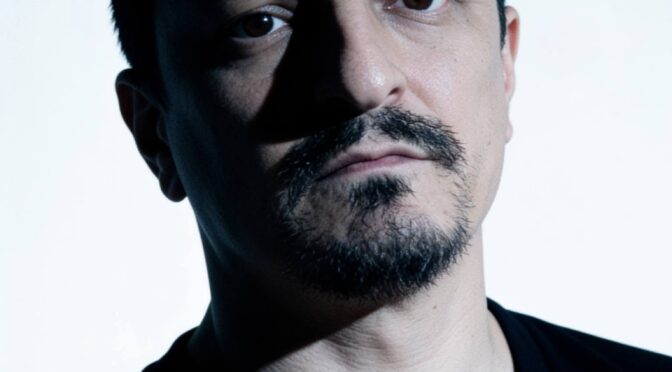
Opening EuroXtreme Circus ¡Carnavale! by Art Box Entertainment at Zaldivar Field in General Santos City takes a reliable set of lungs. Every show day, Tuesday to Sunday, starts the same way: the feathered dancers take the floor, and I step out as ringmaster and boom, “Welcome to the EuroXtreme Circus!”
I come from opera and zarzuela in Spain, so I learned early that singing and projecting are athletic work. Using the voice under a tent night after night asks for strategy, especially on a run that goes until November 22, 2026, with a calendar that does not slow down for anybody.
A packed schedule leaves no room for precious routines that need three hours of candlelight and silence. We end late. On two-show days there is no time to overthink anything, and we have to be at the tent one hour before the show to get ready, put on makeup and dress up. Keeping the instrument working across a long run is not about dramatic backstage rituals. It is about solid basics and honest self-checks.
One note before I go on: I am not a doctor or a voice therapist, and this is not medical advice. If something hurts or does not come back, see a professional.
The foundation is the breath
Whether you are singing classical repertoire or talking to a full tent, breathing is the big one. The widely taught principle is simple: breathe from the belly instead of the chest. There is more on that in Ways to Sing Better and Discover Your True Voice.
Shallow chest breathing pulls tension into the neck and shoulders, and a big voice starts sounding small and tired. When the breath drops low, the sound has real support behind it.
You notice this most when you leave the loud ringmaster energy and sing something that asks for subtlety. A song like “The Music of the Night” asks for control more than volume. You cannot muscle through long phrases by pushing harder. Loud is easy when the adrenaline is pumping. Controlled takes real mechanics. (If you love that show too, there is a fun one in 5 Christines and 1 Phantom of the Opera.)
The microphone never lies
On a busy run, it is tempting to let technique get sloppy because the room is loud and the crowd is cheering. One of the best ways to check your habits is to sing into a microphone in a quiet room.
In Tips for a singing career, one of my steps was to record yourself and post it, and I admitted I had only done it “somewhat”. The mic is a ruthless teacher. It hears everything: every breath, every wobble. If your support drops at the end of a phrase, the recording catches it.
And you do not need a million-peso setup. My own is a Samson USB condenser mic that is about 15 years old, Cakewalk, Bandlab and Clipchamp. The whole chain is in My “Cheap” Home Studio. Cheap gear is more than enough to tell you whether you are supporting your sound or just coasting on volume.
Surviving the tour environment
Life on the road throws curveballs at a working voice. I have written before about dry planes, drier hotel air-con and how normal it is to talk too much on tour, in Life on Tour. Performers love to catch up, laugh and talk over noise long after the show.
So the common advice voice teachers give touring singers comes down to managing those drains before they show up on stage, and to one habit I repeat all the time: warm up even when the schedule says there is no time. A few focused minutes are better than walking out cold. Gentle lip trills, humming and easy sirens are standard, widely taught ways to wake the voice up without wearing it out before the first cue.
Keep practising between cities too, so the voice stays ready for singing and not only for shouting over a crowd.
Monday, sleep and good energy
Shows run Tuesday to Sunday, and Monday is always rest. On a six-day performance week, that one day off is where the real reset happens. Sleep and joy are the basics of self-care on the road: real rest when the late nights pause, and laughing with people you like. I wrote about the rest of my rest-day habits in Rest Days and Recovery on Tour.
If you are near General Santos City before November 22, 2026, come hear how all that noise works under the big top. Tickets are at artboxentertainment.com, the venue ticket office at Zaldivar Field and the SM City General Santos ticket booth. I will be the loud guy in the ring right after the feathered dancers take the floor.
What is your go-to habit for keeping your voice ready? Tell me in the comments.
Want more like this? Get my new posts, behind-the-scenes stories and project news by email. No spam, unsubscribe anytime. Join my newsletter.