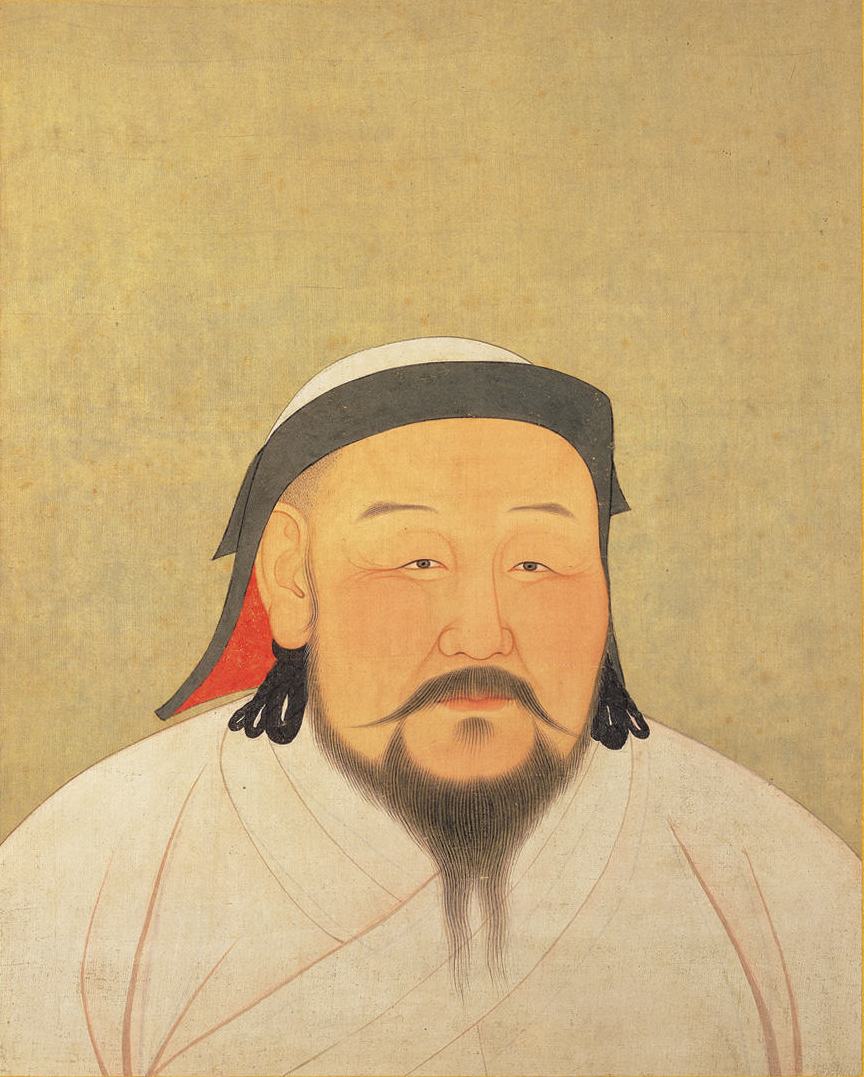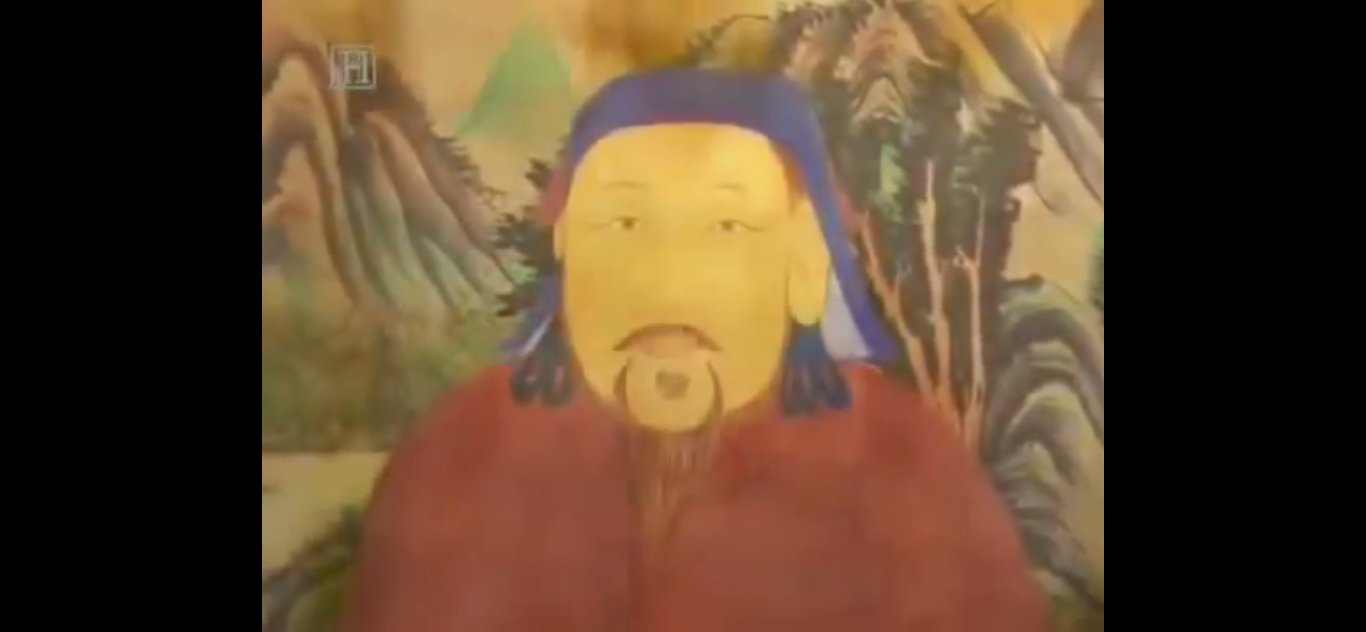
Kublai Khan (1215–1294) was Genghis Khan’s grandson, the fifth Great Khan of the Mongol Empire and the founder of China’s Yuan dynasty. He won the throne in a civil war against his own brother, took southern China with the help of Persian siege engines, and ruled it through Chinese-style government from a new capital where Beijing stands today. I got to know him well when I played him on stage, so here are the five facts that stuck with me most.
Interest in Kublai Khan came back when Netflix’s Marco Polo series started streaming in December 2014, with Benedict Wong as the Khan. The show ran for two seasons until 2016. TV takes creative liberties, so let’s look at the history. He is not in the same league as his legendary grandfather, but once he became emperor he set out to conquer the lands the old man never took.

1. He became Great Khan by defeating his own brother
Most of his relatives backed his younger brother, Ariq Böke, as the next Great Khan, and Ariq Böke held his own great council (kurultai) to claim the throne. Kublai contested it, and the result was the Toluid Civil War of 1260–1264. His brother Hulagu was his only sibling ally, and princes from North China and Manchuria backed him too. Ariq Böke finally surrendered in 1264. Kublai spared his brother’s life and kept him imprisoned, but not his top supporters.

2. His early interests leaned towards philosophy and Buddhism
Before he was emperor, Kublai invited the Chan Buddhist monk Haiyun, one of the top monks of northern China, to Karakorum in 1242 and learned Buddhism from him. He was so impressed that the son born the next year was named Zhenjin, “True Gold”. Later, the Tibetan lama Phagpa became his Imperial Preceptor. That curiosity also pushed his interest in China and the philosophies taught there.

3. Persian siege engines helped him break southern China
The idea of the Mongols taking the Song dynasty’s huge, walled cities sounded impossible. What they lacked in numbers they made up for with engineering. In 1271–72 his nephew Abaqa, ruler of the Ilkhanate in Persia, sent him two engineers, Ismail and Al al-Din. They built counterweight trebuchets, later called “Muslim trebuchets” in Chinese records, that threw stones of around 90 kg (about 200 lbs). Those machines crushed the defences of Xiangyang, which surrendered in March 1273 after a siege of about five years. Southern China fell completely by 1279.

4. He ruled China through its own system of government
Kublai kept many Chinese officials and advisers and ruled with Chinese-style institutions. In 1271 he gave his dynasty a Chinese name, Yuan, and Chinese history counts the Yuan among its official dynasties. Today the Mongols are one of China’s recognised ethnic groups, alongside the Han, Tibetans and Uyghurs.

5. He conquered China but kept Chinese culture alive
Many conquerors try to erase the culture of the land they take. Kublai let Chinese culture stay, like China was the crown jewel of his empire. He moved the capital from Karakorum in Mongolia to Dadu, also called Khanbaliq, on the site of present-day Beijing. Seeing their heritage respected, many Chinese scholars agreed to serve in his court. Little wonder Chinese history remembers him so differently from other invaders.
Want the other side of the story? Read my 5 interesting facts about Marco Polo’s life, the Venetian who said he served at Kublai’s court.
Playing Kublai Khan on stage
All this reading was homework. In 2015 I played Kublai Khan in Marco Polo The Musical at the CCP, the Cultural Center of the Philippines, after playing Baron Tegan in earlier runs. I wrote about it in back to Marco Polo the musical playing Kublai Khan. A big dare, because it’s the most prestigious theater in the country, the character is way older than me and the songs have a high and low vocal range. If you ever need to age up for a role, my theater makeup guide covers the basics.
Kublai Khan FAQ
Who was Kublai Khan?
He was the grandson of Genghis Khan, Great Khan of the Mongol Empire from 1260 and the founder of the Yuan dynasty of China. He died in 1294.
How did Kublai Khan become Great Khan?
He won the Toluid Civil War (1260–1264) against his brother Ariq Böke, who surrendered in 1264.
Did Kublai Khan really meet Marco Polo?
According to Marco Polo’s own book, yes. Polo says he spent years at Kublai’s court and served him on missions around the empire.
Why is the Yuan dynasty called Yuan?
Kublai chose the Chinese name Yuan for his dynasty in 1271, which helped him present himself as a legitimate Chinese emperor.
Follow me
Want more like this? Get my new posts, behind-the-scenes stories and project news by email. No spam, unsubscribe anytime. Join my newsletter.